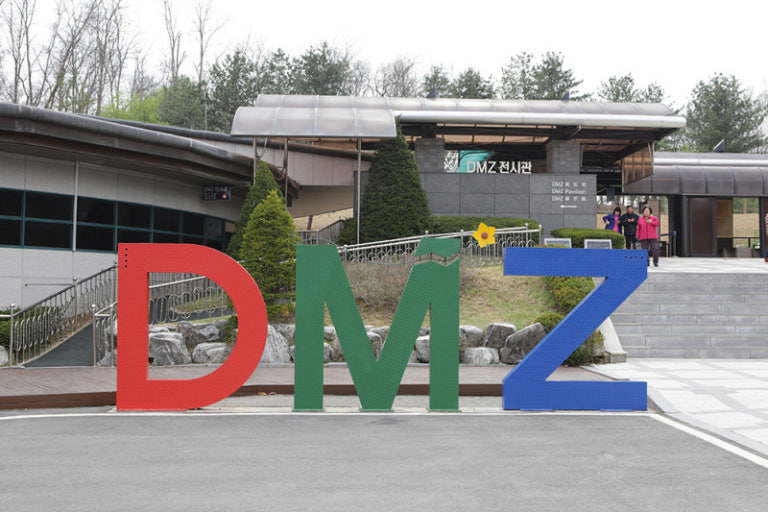
The DMZ (Demilitarized Zone) is often more fascinating to foreign visitors than to Koreans themselves. While many Koreans have heard about it through news or textbooks, relatively few fully understand what it really is. It’s easy to think of the DMZ as simply a “no-military zone,” but in reality, it represents the history of the Korean War, the ongoing reality of national division, and a powerful symbol of peace. Unique to the Korean Peninsula, the DMZ is one of the most unusual border regions in the world. In this guide, we’ll explore how it was created, where it is located, and what you can actually experience there—so you can better understand this remarkable place.
What Is the DMZ (Demilitarized Zone)?
DMZ stands for ‘Demilitarized Zone’ and refers to an area that is national territory but where, in accordance with international law, troops or military facilities cannot be stationed.
The DMZ on the Korean Peninsula was created as the Korean War, which began on June 25, 1950, came to a halt with the Armistice Agreement on July 27, 1953. Because the war did not end completely but remained in a state of ‘armistice,’ South and North Korea agreed to leave a certain area vacant to prevent military clashes.
Accordingly, the DMZ is the area formed by withdrawing troops 2 km to the north and south along the Military Demarcation Line (MDL). This region extends from Jeongdong-ri, Paju-si, Gyeonggi-do in the west to Myeongho-ri, Goseong-gun, Gangwon-do in the east, with a total length of approximately 248 km. A total of 1,292 signposts are installed along this section.
- Military forces must not be deployed,
- it must be a space that serves as a buffer,
- and separate and isolate each other’s forces
A system to monitor this must exist. However, realistically, the DMZ on the Korean Peninsula and its surrounding areas are among the most militarily tense places in the world, characterized by a concentration of military facilities and troops.
What is the DMZ Network?
The DMZ Network refers to a structure connecting peace, ecological, historical, and tourism resources centered around the DMZ and its surrounding areas. It is not merely a military zone, but a concept in which ecological conservation areas, peace education spaces, and historical and cultural tourist sites are interconnected to form a single network. Recently, ecotourism, peace education programs, and international exchange projects centered on the DMZ are also being actively discussed.
Where is the DMZ?
The “DMZ Network” is a broader concept that connects peace, ecology, history, and tourism in and around the DMZ. Rather than being just a military boundary, the area has become: A natural ecological preserve, largely untouched by humans, A site for peace education, A historical and cultural tourism destination. Today, there are growing efforts to promote ecotourism, educational programs, and international exchange centered on the DMZ.
Where Is the DMZ Located?
The DMZ is not confined to a single province. It spans across both Gyeonggi-do and Gangwon-do and is typically divided into three main areas:
- Paju (Gyeonggi-do) – closest to Seoul and the most accessible
- Cheorwon (Gangwon-do) – central region with historical sites
- Goseong (Gangwon-do) – eastern coastal area with scenic views
Among these, Paju DMZ is the most popular, especially for first-time visitors.
Gyeonggi-do Paju DMZ Tour (Most Accessible)
(사진출처: 센루크 스토리)
Imjingak Peace Nuri Park
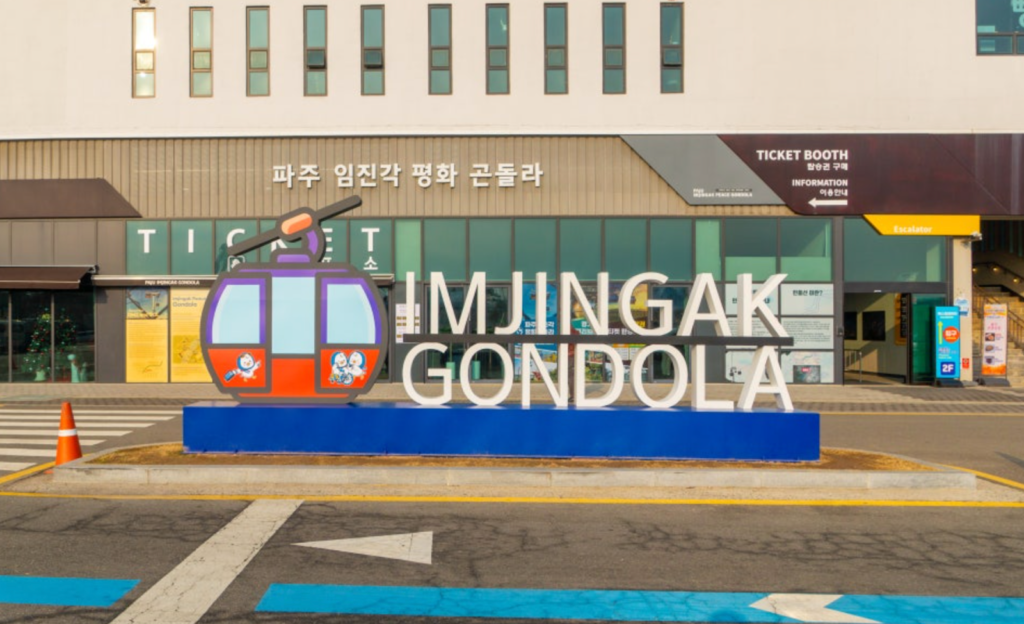
The Paju Imjingak Gondola opened in April 2021 and is a special tourist facility signifying a skyway of peace connecting the DMZ. Passengers can cross the Imjin River and see the barbed wire fences and guard posts, symbols of division, firsthand; this serves as a venue for peace, security, and education that goes beyond mere tourism.
- Operating Hours: Daily 09:00 – 18:00
- Address: 148-53, Imjingak-ro, Munsan-eup, Paju-si, Gyeonggi-do / Parking Fee: 2,000 KRW per day
- Group Ticket Reservations: Please inquire by phone for DMZ tour reservations (031-952-6388)
- Gondola Price: Crystal Cabin Round Trip Adult 15,000 KRW / Child 13,000 KRW
- Online reservations are available on Naver, and you can choose between Crystal and Standard Gondola Cabins.
The gondola’s transparent floor and the scenery of the Imjin River are creating a buzz on social media, allowing you to experience history and nature at the same time. The sunset view is particularly popular, so checking the time beforehand will allow you to see an even better spectacle.
제3땅굴, 도라전망대, 통일촌
(사진출처: 최상위권 일기장)
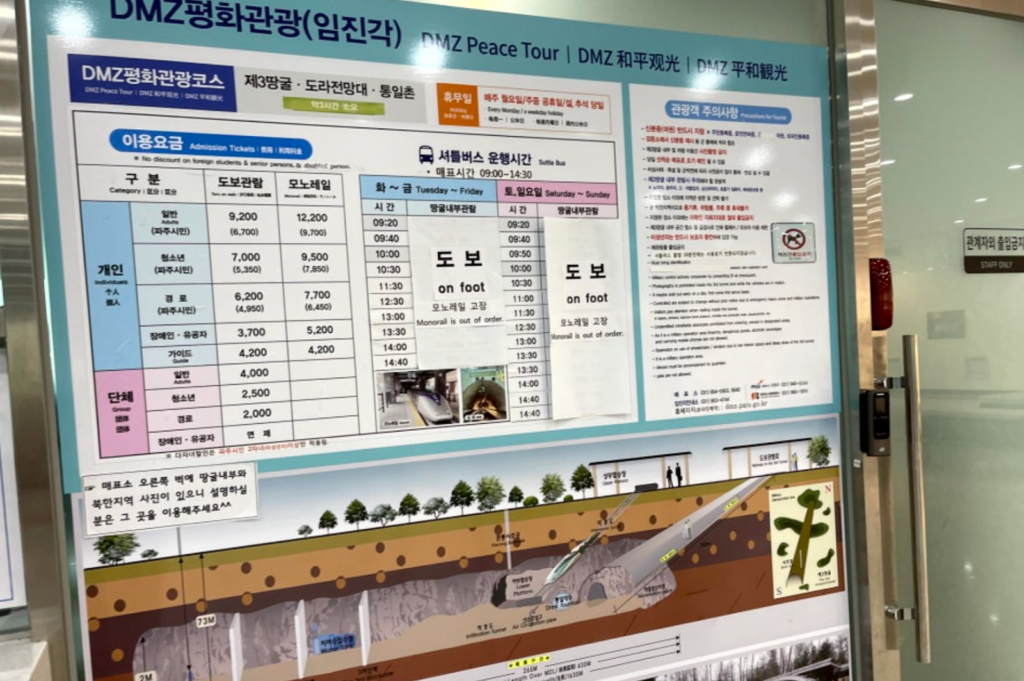
If you arrive at the DMZ by bus, you will see the Korean Peninsula Eco-Peace Comprehensive Tourism Center; you can purchase tickets there and then proceed by bus. To enter the Civilian Control Zone by bus, you must cross the Imjin River, where strict security checks are conducted by soldiers verifying the number of people in your party and identification. Therefore, please make sure to bring your ID if you are a Korean national, and your passport if you are a foreign national.
(사진출처: 최상위권 일기장)
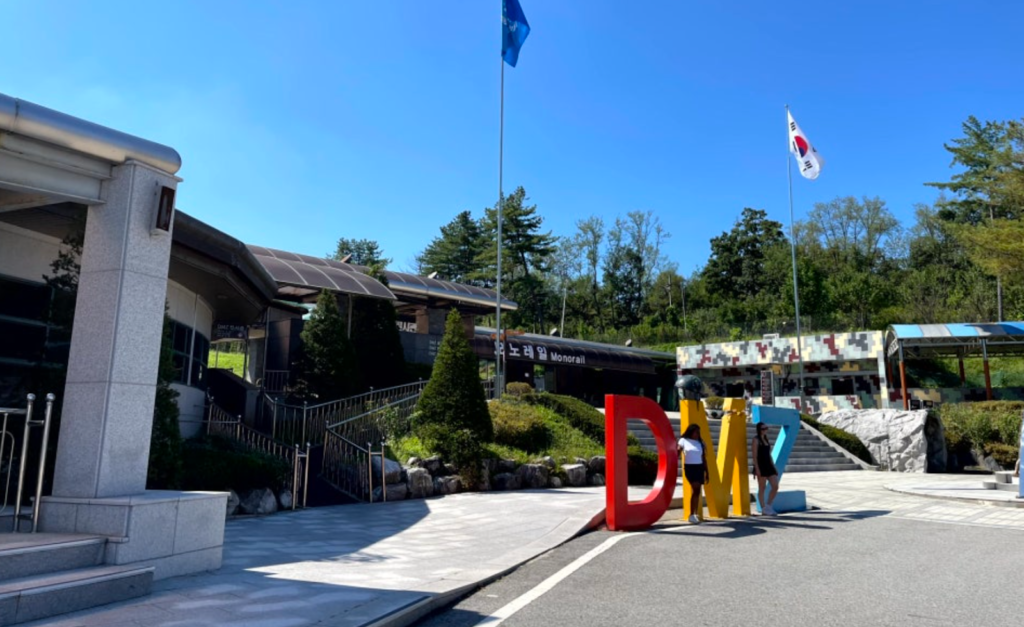
After watching the video, visit the museum to view the artifacts. Next, enter the Third Tunnel. Photography is prohibited here, and you will undergo a security check of your belongings. Please be sure to wear a helmet as the tunnel ceiling is low. Finally, at the highlight, the Dorasan Observatory, you can view North Korea’s Kaesong Industrial Complex, Kaesong City, and Panmunjom from a distance.
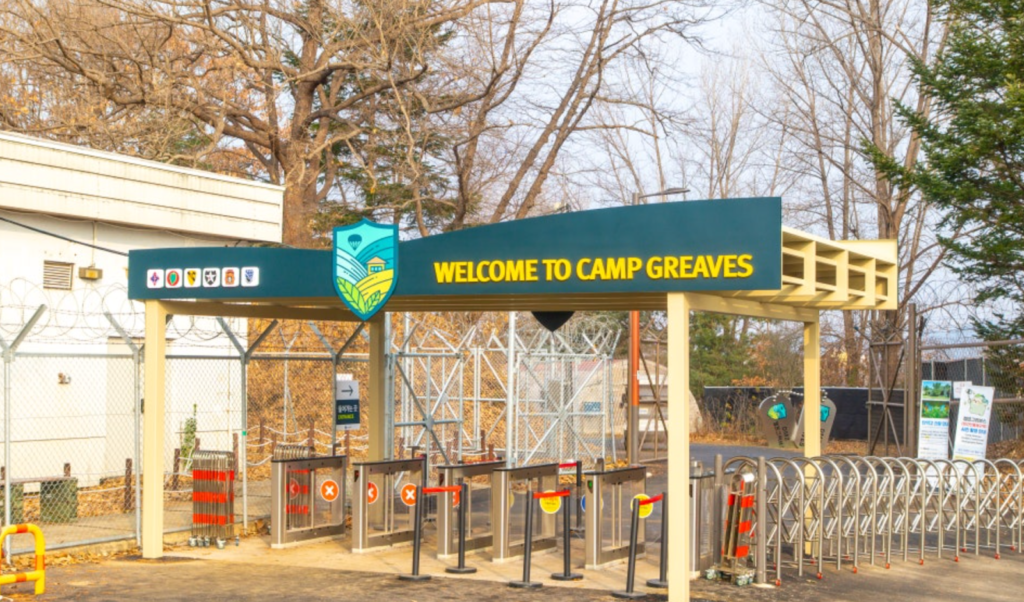
Camp Greaves viewing
(사진출처: 센루크 스토리)
Camp Greaves is a site where the U.S. military was stationed after the Korean War, and it was reborn as a cultural space following its return in 2007. Here, you can simultaneously feel the scars of war and the yearning for peace. If you visit Camp Greaves, we recommend purchasing a combined ticket that includes the gondola ride (an additional 1,000 won on top of the gondola fare).
- Operating Hours: 09:00 – 17:00
- Ticket Price: Adults 3,000 won, Children 2,000 won
Imjingak Peace Nuri Walk
(사진출처: 양배추님 잘먹고 잘살기)
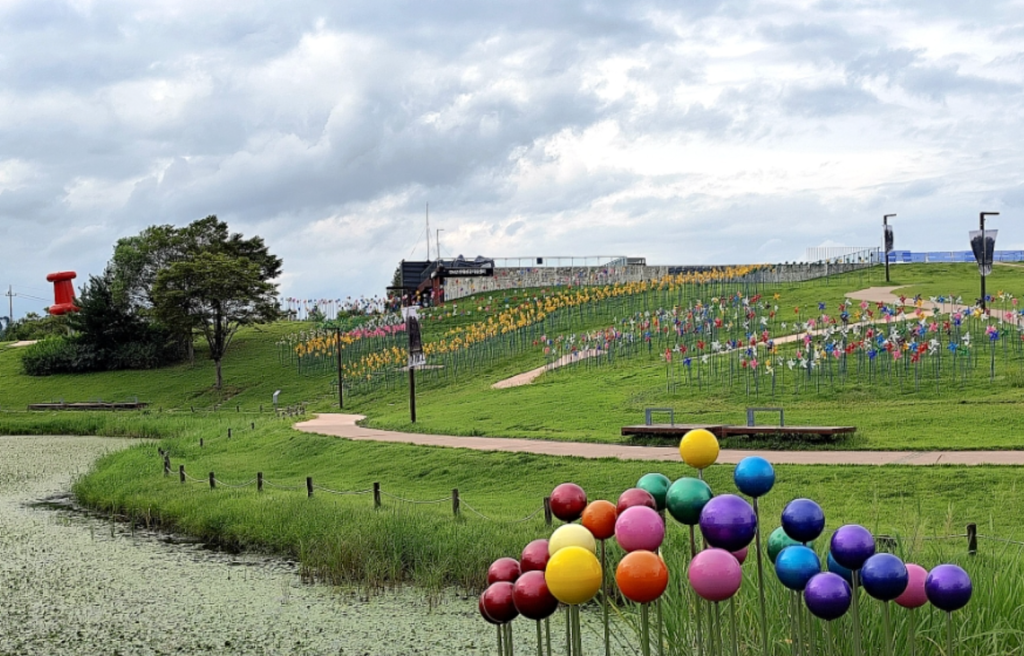
Imjingak Peace Nuri Park has a large and spacious parking lot where you can conveniently park for free. If you choose to use a car instead of public transportation, you can utilize the spacious parking lot. As you walk along, you will see convenience stores and a food court where you can enjoy Hangang Ramen and Dakgangjeong. Since it is close to Seoul, concerts are sometimes held here, so be sure to check the dates. Peace Nuri Park covers a vast area of 330,000 pyeong and is a meaningful place dedicated to conveying a message of peace to the world.
Cheorwon DMZ Tour
(사진출처: 불어라 평화의 바람)
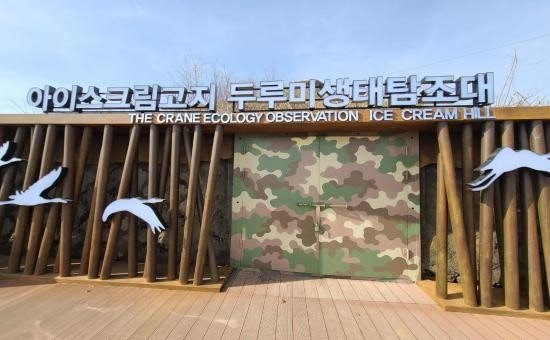
The Cheorwon DMZ Tour covers the Second Tunnel, the Peace Observatory, and Woljeongni Station, and is a representative tourist attraction in Gangwon Province. An identification document (passport) is essential for the DMZ tour. Additionally, you must register at the reception desk and travel in a guided vehicle.
- Registration Location: 15-19, Yangji 2-gil, Dongsong-eup, Cheorwon-gun, Gangwon-do
- Departure Times: Operates 4 times a day (9:30, 10:30, 13:30, 14:30)
- Registration closes 15 minutes before departure; it may close early if there are many applicants.
- Phone Numbers: 033-450-5559 / 033-452-9989
- Admission Fees: Adults 2,000 KRW / Youths 3,000 KRW / Children 2,000 KRW
Goseong DMZ Tour
(사진출처: 아공의 사진여행)
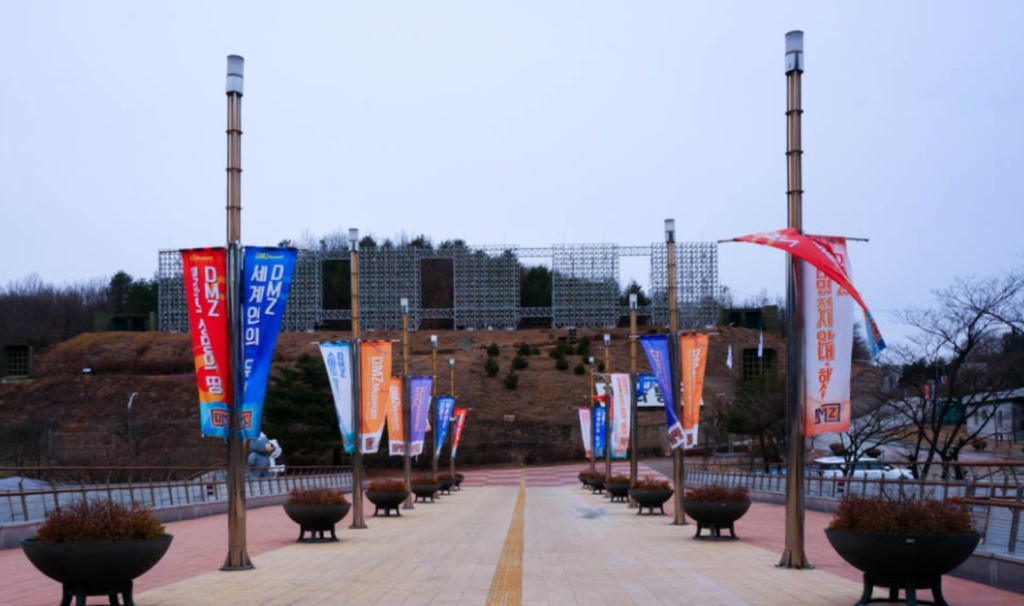
Since the Unification Observatory in Goseong, Gangwon-do, is not open to just anyone, you must first visit the Goseong Unification Security Park and complete the entry registration process. Afterward, you can receive security education at the Security Education Center and then visit the Goseong Unification Observation Tower, located a 10-minute drive away, to view North Korea up close. From the indoor observatory, you can even see Mt. Geumgang.
Because the DMZ, the Unification Observatory, and the Museum are only a 5-minute drive apart, you can visit both locations with a single entry registration at the Unification Observatory. Additionally, we recommend visiting them together, as climbing the hill at the outdoor exhibition area offers a panoramic view of the East Sea and the North.
- Address: 7483, Donghae-daero, Hyeonnae-myeon, Goseong-gun, Gangwon-do
- Phone Number: 033-681-0625
- Admission: Free, Parking: Free
- Operating Hours: March–October 09:00–18:00 (Last admission 17:00) / November–February: 09:00–17:00 (Last admission 16:00)
- Closed every Monday and January 1st
Conclusion
The DMZ is not merely a military zone, but a highly symbolic space where war and peace coexist. While it appears as a single line on a map, it encompasses the history of division and a reality that has yet to end. At the same time, it is a place of significant ecological value, where nature has been preserved for a long time. Although visiting in person is not easy, it is a space that anyone can experience through established procedures. If we view the DMZ not simply as a “dangerous place,” but as a site to reflect on the past and contemplate the meaning of peace, its significance will deepen even further.