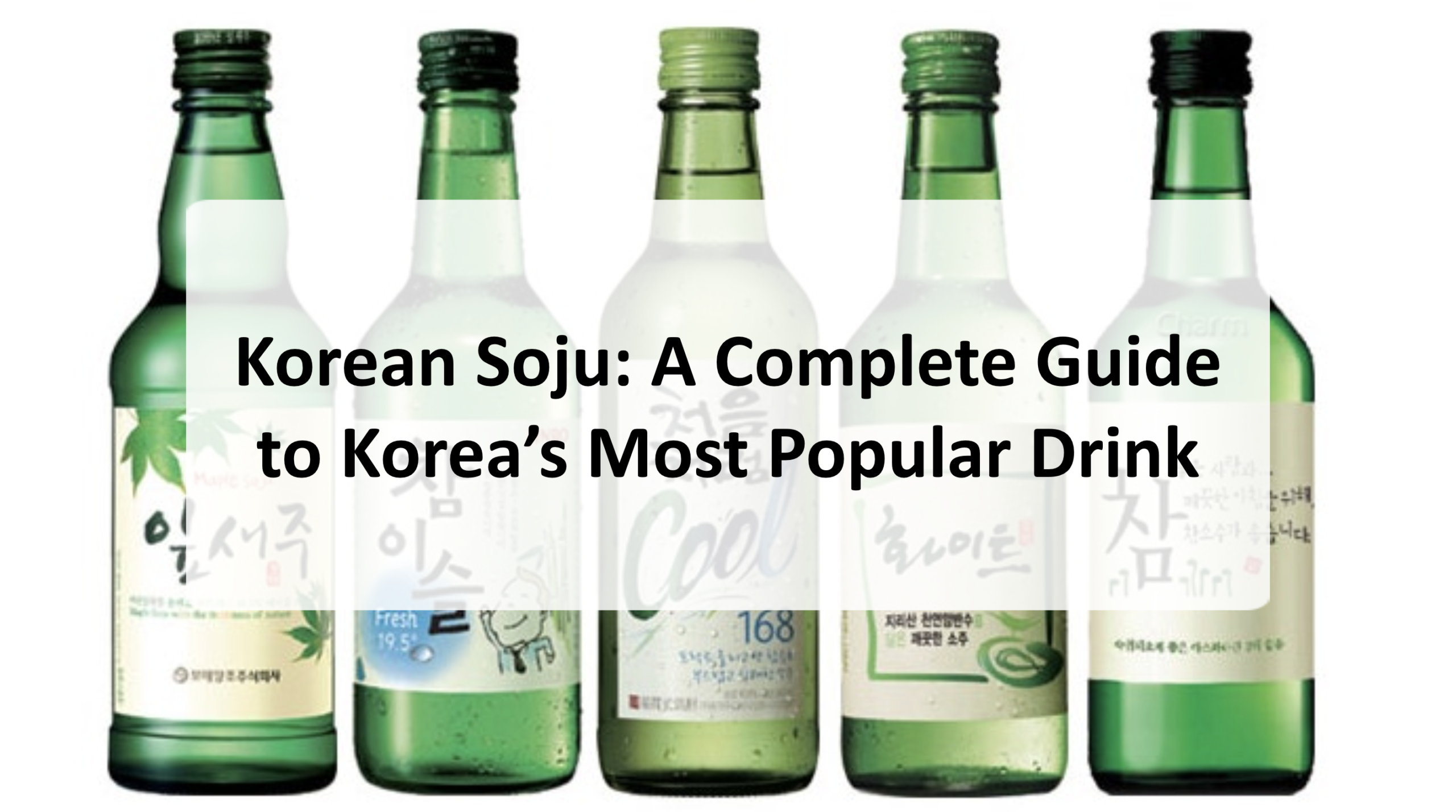
Soju is one of the beverages you simply cannot miss when visiting Korea. Starting as a traditional distilled spirit, Soju has evolved into a diverse range of flavors and styles in modern times, becoming a symbol of Korean food culture. It is not merely a drink to be enjoyed; it also serves as a tool for communication, shared with friends, family, and colleagues. In this article, we provide a detailed introduction to everything from Soju types, alcohol content, volume, calories, price, and expiration dates to traditional and fruit/herb-flavored varieties, Soju bar culture, and purchasing Soju by the box, all designed to be easily understood by foreigners. Furthermore, we explain the characteristics and ways to enjoy representative brands such as Chamisul, Chum Churum, Rin, Siwon Cheongpung, Hite, C1, Hallasan, and Jinro. This serves as an essential reference for your trip to Korea or your experience with Korean culture. The content is structured to be easy to read and understand for both those unfamiliar with alcohol and foreigners curious about Korean drinking culture.
What is Soju? what does soju taste like
Soju is the most popular distilled spirit in Korea, made primarily by fermenting rice, barley, potatoes, sweet potatoes, and other ingredients. Its alcohol content generally ranges from 16% to 25%, and it varies from light drinks to those with a rich flavor.
The difference between Soju and other alcoholic beverages
| Soju | Beer | Wine |
Comparison with Beer
Soju has a high alcohol content, but the amount consumed at one time is small. Beer has a lower alcohol content, but the larger volume results in a different level of intoxication.
Comparison with Wine
While wine is sweet and rich in flavor, soju is clean and sweet, making it enjoyable to pair with a meal.
Types and Characteristics of Soju
(Photo source: 시엔스 리빙)
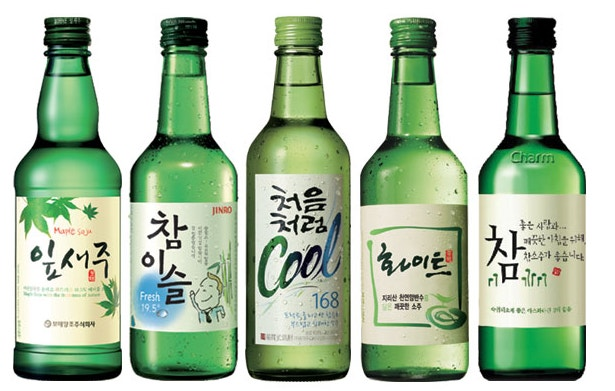
Soju comes in various types depending on flavor, alcohol content, and ingredients.
A 500ml bottle costs around 2,000 won and contains approximately 400kcal. Most soju has an alcohol content of 16–17%, which is slightly higher than wine (12–15%) but much stronger than beer (4–5%). With its smooth alcohol content making it easy to drink, soju is widely enjoyed in Korea for solo drinking, company dinners, and pairing with side dishes. Jinro Soju is a brand that symbolizes Korean soju due to its long tradition and widespread recognition.
| Type | Frequency | Characteristic |
| Chamisul | 16.9% | The most popular soju, clean and smooth taste |
| Jinro | 16.5% | Low-alcohol soju, smooth taste |
| Chum Churum | 16.5% | Smooth, sweet, and easy to swallow. |
| Lynn or Rin | 16.5% | Clean taste and light sweetness, recently rising in popularity |
| Cheongpung | 16.9% | Soju with an emphasized refreshing taste, a cool finish |
| White Soju | 16.5% | Light and smooth taste, emphasizing a clean image |
| C1 | 16-16.5% | Low-alcohol soju, smooth taste |
| Hallasan Soju | 17% | Jeju Island region’s soju |
How to enjoy soju
Soju Bars and Culture
There are many soju bars in Korea. However, even if you go to an evening restaurant or pub that isn’t specifically called a soju bar, they sell soju. People usually enjoy soju with side dishes, and soju serves as a means of stress relief and socializing.
Soju and Beer
Somaek(Soju+Beer): A cocktail made by mixing soju and beer. It is popular among foreigners as well because the alcohol content is lower and the taste is smooth.
Buy a soju box
You can purchase boxes of soju at convenience stores and supermarkets, with 20 to 30 bottles per box. The price is cheaper than buying a single bottle, making it ideal for sharing with friends or for long-term storage at home.
Soju and food
It pairs well with greasy foods such as pork belly, chicken, and seafood. The alcoholic taste is not strong, so you can enjoy it with a variety of snacks without any hesitation.
Representative fruit-flavored soju
In addition to traditional soju, Korean soju comes in a variety of flavors, including fruit and herb varieties. Flavors such as grapefruit soju, peach soju, green grape soju, lemon soju, blueberry soju, and apple soju are available, so you can choose according to your preference.
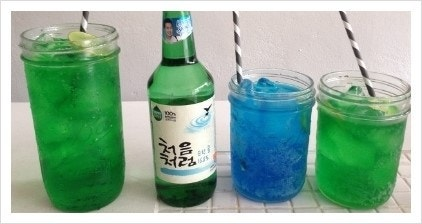
Basic Soju Highball Recipe
(Photo source: 도라에몽)
While there are various soju cocktail recipes, I will introduce the most representative way to make a Highball. The ingredients are Soju, tonic water, and a carbonated beverage blended together to make a Sotonic. It is even better if you add ice and a little lemon. Fill a glass with ice, then add equal parts of 100ml of carbonated beverage (Sprite), 100ml of Jinro Zero Tonic Water, and 100ml of Zero Soju. Add a lemon slice, and it’s done!
Conclusion
Soju is more than just a traditional Korean liquor; it is a delightful experience that connects culture and people. With a wide variety of brands and flavors available, even those unfamiliar with alcohol can enjoy it without hesitation, and fruit or herbal flavors are particularly appealing to foreigners. Knowing the bottle volume, alcohol content, calories, price, and expiration date allows for convenient purchasing and enjoyment, while experiences at soju bars or buying by the case offer a deeper understanding of Korean drinking culture. Soju can be enjoyed in various ways—as a drink shared with friends, paired with food, or simply as a solitary drink for relaxation. Through this article, I hope you gain a better understanding of Korean soju and can experience Korean drinking culture more enjoyably and safely. I hope this serves as a useful guide for future soju drinking trips to Korea.