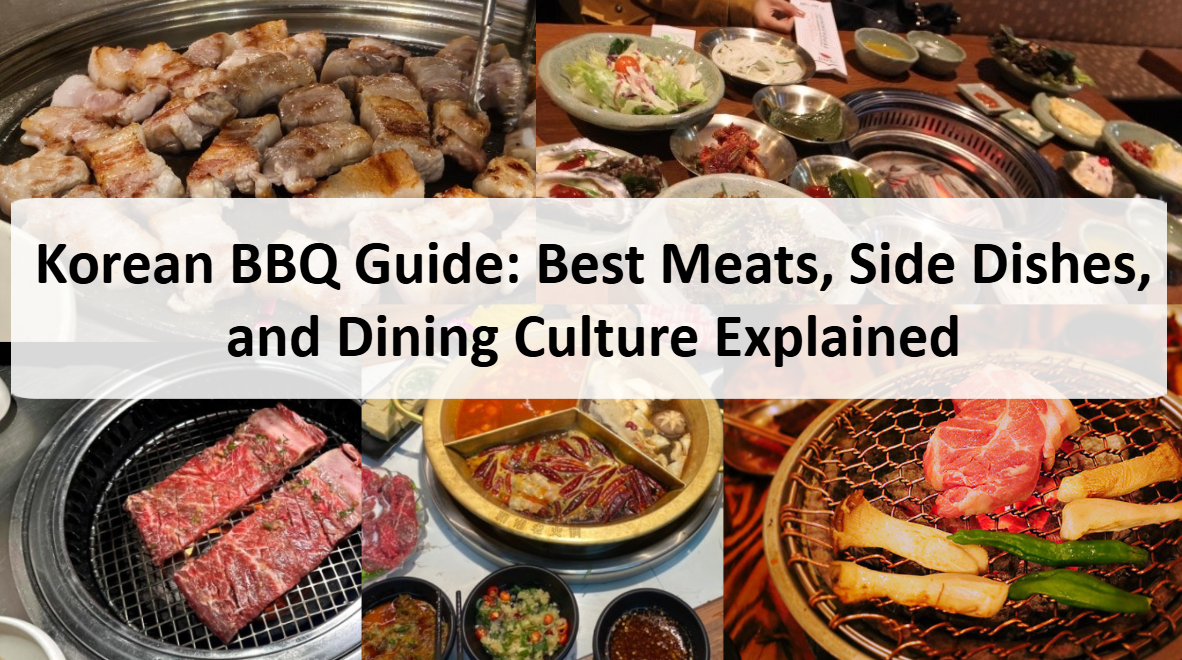
There is a style of food that goes beyond simply eating meat—it captures the joy of grilling it yourself and sharing it with others. That is Korean BBQ. Loved by people all over the world, Korean-style barbecue offers a unique dining experience that combines a variety of meats, abundant side dishes, and the tradition of wrapping food in fresh lettuce. In this article, we provide a simple and engaging introduction to the key features and popular menu items of Korean BBQ, explain how it differs from Hot Pot, and explore Gen Korean BBQ, a restaurant concept that is gaining popularity in the United States.
What is Korean BBQ?
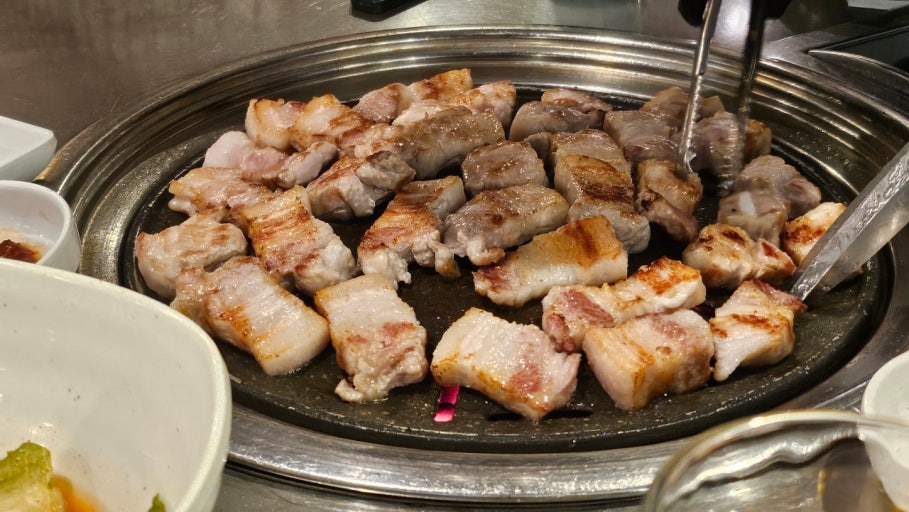
Korean BBQ refers to a style of dining where meat is grilled directly at the table. Popular choices include pork belly, pork neck, ribs, beef short ribs, brisket, and chicken. The grill is built into the table, allowing diners to cook the meat themselves. For many foreigners, Korean BBQ is recognized as a unique dining culture where people gather around the table, grill meat together, and enjoy it with a variety of side dishes, often wrapping the meat in lettuce or other greens.
Types of Korean BBQ
Experience-Based Dining You Grill Yourself
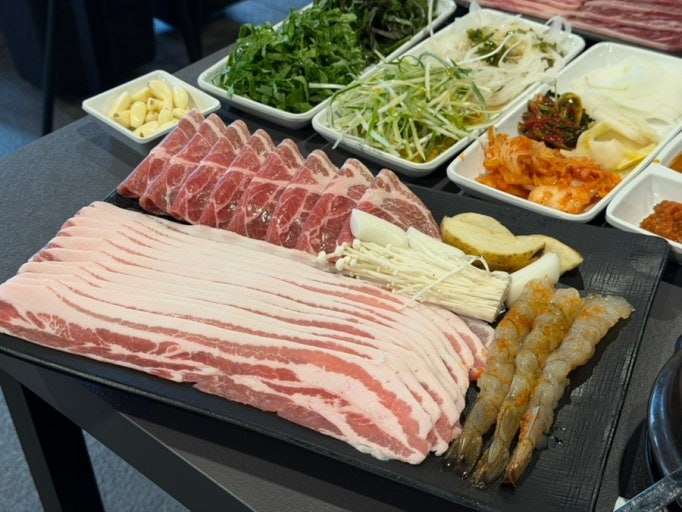
(Photo source: 찰싹 방배본점)
In the U.S. and Europe, barbecue is typically prepared in the kitchen or on an outdoor grill, and guests usually eat while the host does the cooking. In contrast, Korean BBQ offers a more interactive experience where diners grill, flip, and cut the meat themselves right at the table. This hands-on style makes the meal more than just eating—it becomes a fun and engaging activity.
Great for Sharing with Others
Korean BBQ is commonly enjoyed by groups of two to six people gathered around a table. While solo dining and delivery have become more common in recent years, BBQ restaurants are still a popular choice for social occasions such as outings with friends or company dinners. Because people can enjoy meat, rice, and drinks together, foreigners often see it as “food you eat while hanging out.” In the U.S., Korean BBQ is often associated with special occasions like birthdays or gatherings, whereas in Korea it is also enjoyed casually in everyday life.
Unique Side Dish Culture
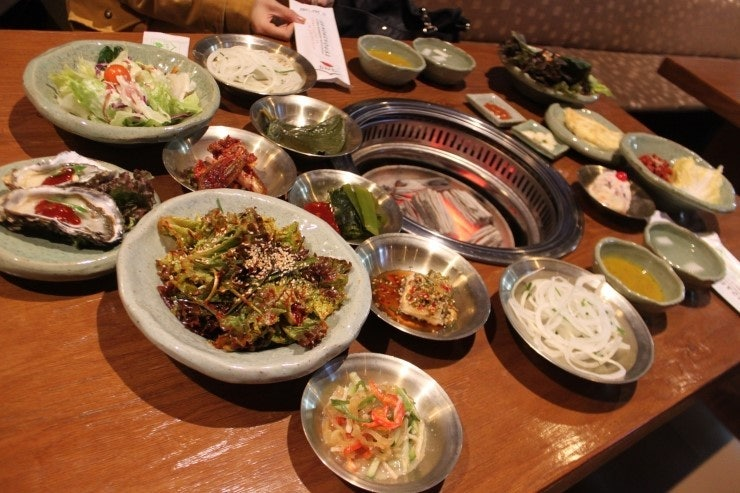
(Photo source: 슈크림)
One aspect that often surprises foreigners is the variety of side dishes served at Korean BBQ restaurants. When you order meat, a wide selection of side dishes—such as kimchi, lettuce, perilla leaves, seasoned green onions, garlic, ssamjang, and pickled radish—is typically provided at no extra cost. In many other countries, side dishes must be ordered separately, but in Korea they are usually unlimited and included with the meal.
Ssam (Wrap) Culture
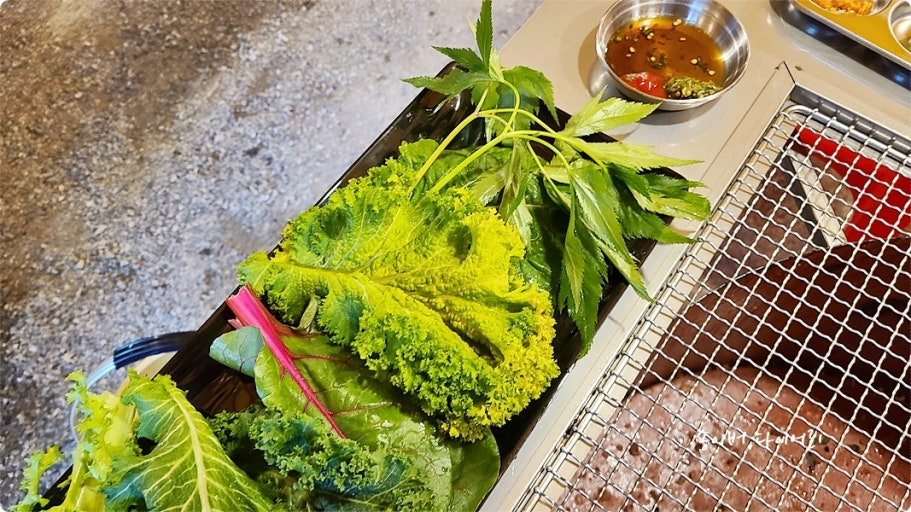
Another unique feature of Korean BBQ is the “ssam” culture. In Korea, it is common to wrap grilled meat with leafy greens like lettuce or perilla leaves, along with garlic and ssamjang, and eat it in one bite. There is also a wide variety of greens available, including romaine lettuce, napa cabbage, and mustard leaves. While this may seem unusual at first, many foreigners find it surprisingly delicious and quickly grow to enjoy it.
A Balanced and Relatively Healthy Style
Western barbecue often involves slow-cooking meat over smoke, focusing mainly on beef, pork, ribs, and sausages. Korean BBQ, on the other hand, involves grilling meat directly over heat and is typically eaten with a variety of vegetables and fermented foods like kimchi. Because of this balance, many people consider it a more digestible and relatively healthy way to enjoy meat. In Korea, it is also common to find all-you-can-eat BBQ restaurants where diners can enjoy unlimited grilled meat.
Most Popular Korean BBQ Menu – Meat Cuts
Pork Belly (Samgyeopsal)
(Photo source: All live olive)
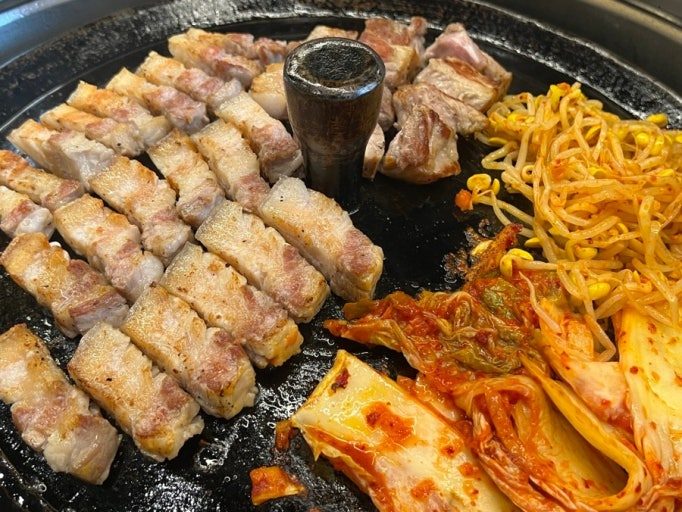
The most popular Korean BBQ menu item is undoubtedly pork belly. It is typically enjoyed by dipping it in sesame oil with salt or ssamjang. After finishing the meat, many people like to stir-fry rice with kimchi on the grill and eat it with seaweed, creating a delicious combination. In Korea, there is also a common folk belief that eating pork belly helps cleanse the lungs, especially during seasons with high levels of fine dust.
Marinated Short Ribs (Galbi)
Soy sauce–based marinated short ribs are loved for their sweet and savory flavor. The meat is usually marinated for one to three days, resulting in a rich taste that often draws long lines at popular restaurants. Because the marinade contains sugar, the meat can burn easily, so it must be grilled carefully. Many restaurants use charcoal grills, which add a distinct smoky flavor. Ready-made marinades are also available in supermarkets for home cooking.
Beef Ribs
(Photo source: 봄이)
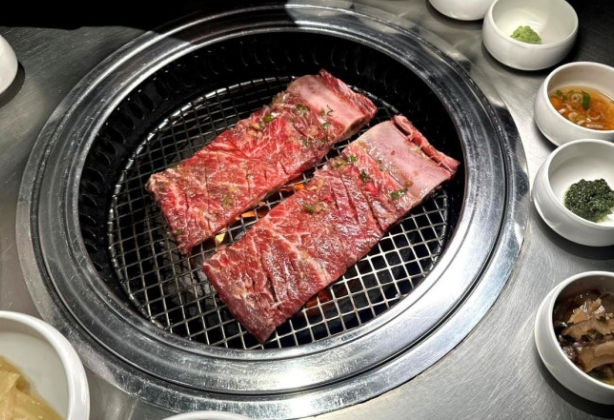
Beef ribs refer to the meat attached to the rib bones of a cow. They are used in various dishes such as braised ribs, grilled ribs, steaks, and soups, but are especially popular when marinated and grilled for Korean BBQ. Known for their rich juices and excellent marbling, they have a tender and flavorful texture. Beef ribs are often considered a premium dish and are commonly served during holidays and special occasions. Depending on the cut, they are categorized into types such as bon-galbi and kkot-galbi, each offering slightly different textures and flavors.
Brisket (Chadolbagi)
(Photo source: 찌울이)
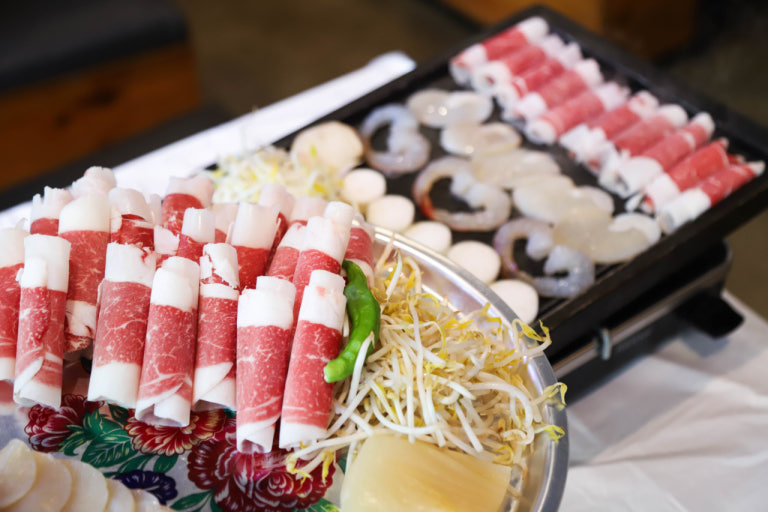
Chadolbagi is a thinly sliced cut of beef from the brisket area. Its name comes from the way the white fat is marbled throughout the meat, resembling small stones. It has a high fat content, giving it a rich and savory taste, and it cooks very quickly, making it ideal for grilling. In addition to being eaten on its own, it is often used in dishes like soybean paste stew or stir-fries to enhance flavor. Because only a small amount can be obtained from each cow, it is relatively rare and more expensive, and is sometimes enjoyed before leaner cuts like sirloin.
Bulgogi
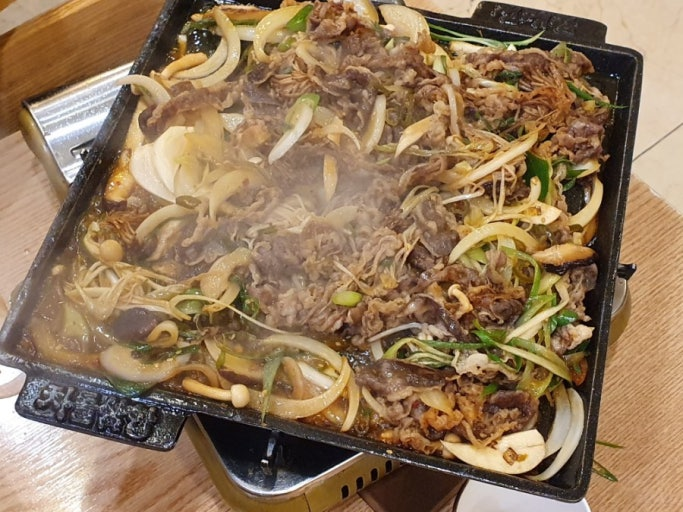
(Photo source: 미니멀라이즈)
Bulgogi is one of Korea’s most famous dishes, made by marinating thinly sliced beef in a soy-based sauce and then grilling or stir-frying it. It has a signature sweet and savory flavor and is often cooked with vegetables such as onions and mushrooms. Historically, it evolved from a royal court dish called “neobiani.” Depending on the cooking style, bulgogi can be served with broth or grilled until slightly crispy.
Korean BBQ and hot pot
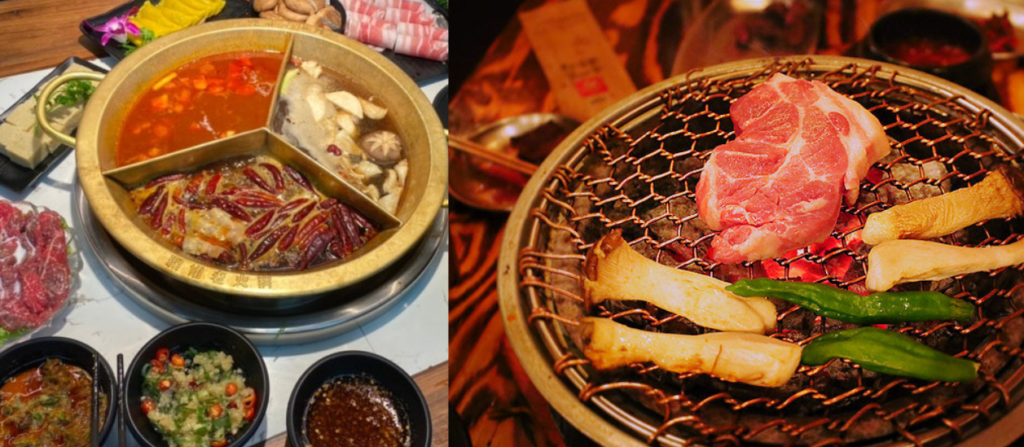
Korean BBQ
Korean BBQ is a dining style where diners grill meat—such as beef or pork—directly on a grill built into the table. Popular menu items include bulgogi, galbi (marinated ribs), and samgyeopsal (pork belly). The grilled meat is often wrapped in lettuce or perilla leaves along with garlic, ssamjang, or other condiments, creating a flavorful one-bite experience. One of the defining features of Korean BBQ is the variety of side dishes, such as kimchi and seasoned vegetables, which are typically served free of charge and can be refilled. These side dishes allow for many different flavor combinations and enhance the overall meal. Korean BBQ is also commonly enjoyed with drinks like soju or a soju–beer mix, making it a social and lively dining experience.
Hot Pot (Huoguo / Shabu-shabu)
Hot Pot is a communal dining style in which ingredients like thinly sliced meat, seafood, and vegetables are cooked in a pot of boiling broth at the table. Found in many Asian cuisines—such as Chinese huoguo and Japanese shabu-shabu—it focuses on the flavor of the broth rather than grilling. Diners choose their preferred ingredients, cook them in the broth, and then dip them in sauces like sesame, peanut, or chili oil before eating. Many hot pot restaurants offer all-you-can-eat options, allowing customers to try a wide variety of ingredients. The overall taste of the meal can vary greatly depending on the broth, which may be spicy, mild, or infused with mushrooms or herbs.
Gen Korean BBQ

Gen Korean BBQ is a Korean-style barbecue restaurant chain that primarily operates in the United States. Established in 2011, it has grown into a popular brand with multiple locations, especially across the western region. Once you visit Gen Korean BBQ, you quickly understand why people are willing to wait in line to dine there.
The restaurant’s biggest appeal is its all-you-can-eat system. For a fixed price, customers can enjoy a wide variety of meats without limitation, making it easy to try multiple menu items without worrying about cost. This allows for a more relaxed and satisfying dining experience.
The menu offers not only traditional Korean options such as bulgogi, galbi, and chadolbagi, but also unique selections like Hawaiian-style marinated meats that reflect local tastes. This blend of authentic Korean flavors with American influences creates a dining experience that feels both familiar and new, even for first-time visitors.
Dining at Gen Korean BBQ is interactive and engaging. Guests sit at tables equipped with grills and cook the meat themselves, capturing the fun and social nature of Korean BBQ. Staff members bring the ordered meats, and diners can continue ordering as much as they like, enjoying their meal alongside rice, various side dishes, and sauces.
In addition, the restaurant combines Korean food culture with American-style service, offering clean and modern interiors along with a fast and efficient ordering system. This creates a comfortable and welcoming environment, perfect for gatherings with friends and family. Ultimately, Gen Korean BBQ is more than just a place to eat—it is a space where people can enjoy good food, share moments together, and experience the joy of cooking and dining as a group. Its combination of quality, variety, and atmosphere makes it a memorable destination that many people want to revisit.
Conclusion
Korean BBQ is more than just a meal—it is a cultural experience that brings people together. The process of grilling your own meat, wrapping it in fresh lettuce with a variety of side dishes, and sharing conversations creates a unique atmosphere that is hard to find elsewhere. Gen Korean BBQ enhances this tradition by combining it with modern systems and an all-you-can-eat format, making the experience more accessible and enjoyable for everyone. If you have never tried Korean BBQ, it is definitely worth experiencing at least once. It is not only about the food, but also about the connection and enjoyment that come from sharing the moment with others.