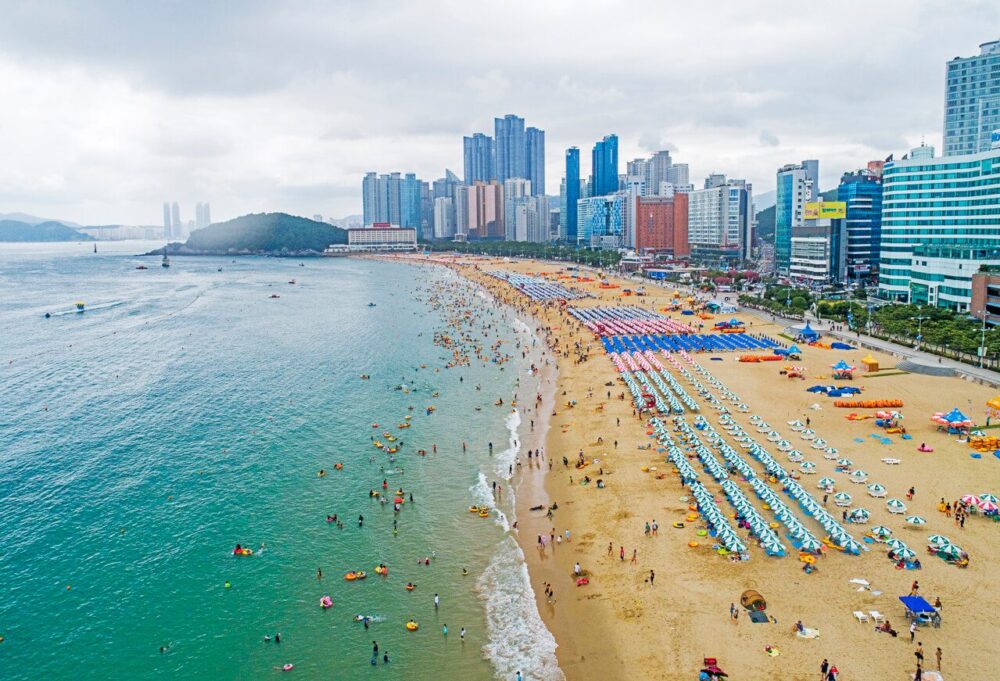
(Photo source: Travel-Stained)
Korea is a country with distinct four seasons, each offering a completely different landscape. Spring paints the city with cherry blossoms, while summer brings blue seas and vibrant festivals. Autumn paints mountains and fields crimson with foliage, while winter offers romance on snow-covered streets. From Seoul’s urban core to Busan’s beaches, Jeju’s winds, Gyeongju’s history, and Daejeon’s parks—each city wears a unique seasonal expression. This guide compiles Korea’s seasonal weather and travel tips at a glance, helping you experience the best moments no matter when you visit.
Spring (March–May): Cherry Blossoms and Fine Dust Coexist
Characteristics of Spring Weather
Spring in Korea is short but beautiful. Early March can still feel chilly, but by April, cherry blossoms are in full bloom and warm sunshine prevails. However, this period features large daily temperature swings, making mornings and evenings cool, and fine dust is a frequent occurrence.
| Region | Average Temperature | Features |
| Seoul | 8~18°C | Cherry blossom spots: Yeouido, Namsan |
| Busan | 10~20°C | Cool thanks to sea breezes |
| Jeju | 12~21°C | Rapeseed flower season, Hallasan snow begins to melt |
| Daejeon | 9~19°C | Warm and dry spring weather |
| Gyeongju | 10~20°C | Popular cherry blossom path at Bulguksa Temple |
Travel Tips
A light jacket is essential during the day, and a windbreaker is a must at night. Also, from April to May, yellow dust and fine particulate matter are more problematic than rain, so masks are even more important.
Summer (June–August): A hot and humid season, with monsoon and typhoon advisories
Characteristics of Summer Weather
Korea’s summer is short but renowned for its intense heat and high humidity. The rainy season begins in late June, and typhoons are not uncommon in July and August. However, with its beaches, valleys, and numerous festivals, it remains a popular season for travelers.
| Region | Average Temperature | Features |
| Seoul | 22~32°C | Frequent rainy seasons and heat waves |
| Busan | 24~30°C | Maritime climate with muggy nights |
| Jeju | 25~31°C | Frequent typhoons and strong winds |
| Daejeon | 23~32°C | Intense daytime heat with relatively cool nights |
| Gyeongju | 24~33°C | Inland location prone to tropical nights |
Travel Tips
Essential items include sweat-wicking clothing, sunscreen, and a portable fan. Busan’s Haeundae Beach and Jeju’s Hyeopjae Beach are relatively cooler due to the sea breeze.
Autumn (September–November): The Golden Season for Traveling in Korea
Characteristics of Autumn Weather
Autumn in Korea is the prime travel season, featuring clear skies and vibrant foliage. Temperatures are pleasant, humidity is low, the sky is high, and the air is crisp. The peak foliage season runs from mid-October to early November.
| Region | Average Temperature | Features |
| Seoul | 10~22°C | Bukhansan Mountain, Gyeongbokgung Palace Autumn Foliage Trail |
| Busan | 15~24°C | Gwangalli Beach Fall Foliage Walk |
| Jeju | 16~25°C | Miscanthus Grass, Oreum Hiking |
| Daejeon | 13~23°C | Gyeryongsan Mountain Yellow Soil Trail Autumn Foliage Path |
| Gyeongju | 12~22°C | Bulguksa Temple·Anapji Pond Night Views Scenic Beauty |
Travel Tips
Dress lightly, but bring a jacket as mornings can be chilly. Be sure to see the autumn foliage.
Seoul peaks in late October, while Busan and Jeju reach their peak in early November.
Winter (December–February): The season of snow, cold waves, and winter festivals
Characteristics of winter weather
Winter is a dry and extremely cold season. January in particular sees prolonged sub-zero temperatures, with inland areas frequently experiencing cold waves and snow. Southern and coastal regions are relatively mild, but strong winds make it feel colder.
| Region | Average Temperature | Features |
| Seoul | -6~4°C | Frequent snow, low wind chill |
| Busan | 0~9°C | Sunny but windy |
| Jeju | 3~10°C | Rain more common than snow; Hallasan is a famous snow scene spot |
| Daejeon | -4~6°C | Extremely cold during cold snaps |
| Gyeongju | -3~7°C | Little snowfall, but morning temperatures below freezing |
Travel Tips
Heattech, down jacket, gloves, and earmuffs are essential! Korea gets snow in winter, especially in Gangwon Province’s Pyeongchang, Seoul’s Namsan, and Gyeongju’s Bomun Complex.
Top 5 Most Frequently Asked Questions by Travelers
Q1. What is the best season to visit Korea?
Autumn (September to November) is the most popular. The skies are clear and the weather is perfect for traveling.
Q2. Does it rain a lot in summer?
Yes. The rainy season (late June to mid-July) sees frequent rain, so bring a raincoat and sandals.
Q3. Is winter a good time to visit?
Yes. Winter offers its own charm with ski resorts, snow festivals, and hot spring trips.
Q4. Is Jeju Island warmer than other regions?
Yes. Except for Hallasan Mountain, it stays mild year-round, with winter averages around 5°C.
Q5. What weather apps do you recommend for Korea?
‘Korea Meteorological Administration Weather Nuri’, ‘Windy’, ‘AccuWeather’, and ‘Naver Weather’ are accurate.
Conclusion: Korea’s charm renews with every season
The appeal of traveling in Korea lies in how it feels fresh with each changing season. Spring’s blossom-lined paths, summer’s seaside, autumn’s vibrant foliage, winter’s snow—all distinct landscapes, yet each captures Korea’s unique essence. When planning your trip, consider not just your itinerary but also the season’s atmosphere. A completely new experience awaits. Which season of Korea would you like to experience on your next trip? No matter when you come, this country’s four seasons will sparkle in your memories.